For a lot of kids in the San Gabriel Valley, the schoolyard is the neighborhood park. It's the outdoor space they have reliable access to, the place they eat lunch, run around, and spend time outside. Many of those schoolyards are asphalt and concrete lots with no trees, no soil, and nothing growing. Flat, hot, shadeless asphalt that absorbs heat all morning and gives it back all afternoon. On a warm day, it can be significantly hotter than the street outside the fence.
For schools, that means weeks or even months of school days where kids can't go outside because most campuses are asphalt-heavy and short on tree canopy. In the SGV, that's not a problem for the future. It's happening now.
Some schools are starting to change that. On May 2, five campuses across the San Gabriel Valley and Northeast LA opened their gates for something new: a free, self-guided tour celebrating what happens when schools go green. Hosts were on hand at each site to welcome visitors and answer questions, and some sites offered activities throughout the morning.
The science supports the urgency. New research from Finland found that children playing in greened yards had fewer disease-causing bacteria on their skin, stronger immune defenses, and healthier gut microbiomes compared to kids on asphalt-heavy campuses. Changes showed up in as little as 28 days. The key ingredient is microbial biodiversity, the bacteria and fungi that live in soil, plants, and moss. That same principle is at work in every native garden and wood chip planting bed the tour showcased.
"The Green Schools Tour gave concerned citizens, educators, and practitioners an opportunity to see firsthand what local school sites are doing to create cooler playgrounds, support outdoor learning and biodiversity, and prepare for a hotter, drier future," said Wes Reutimann, Deputy Director at ActiveSGV.
The campuses on the tour represent years of work by Amigos de los Ríos, the Wild Classroom Project, ActiveSGV, and a broader network of organizations working on schoolyard greening across the region. For parents and families, the tour was a chance to see what other schools have built and picture what's possible closer to home. For consultants and engineers working in schoolyard design, it was a chance to walk through finished projects and see what the work looks like once it's done.
What the Tour Included
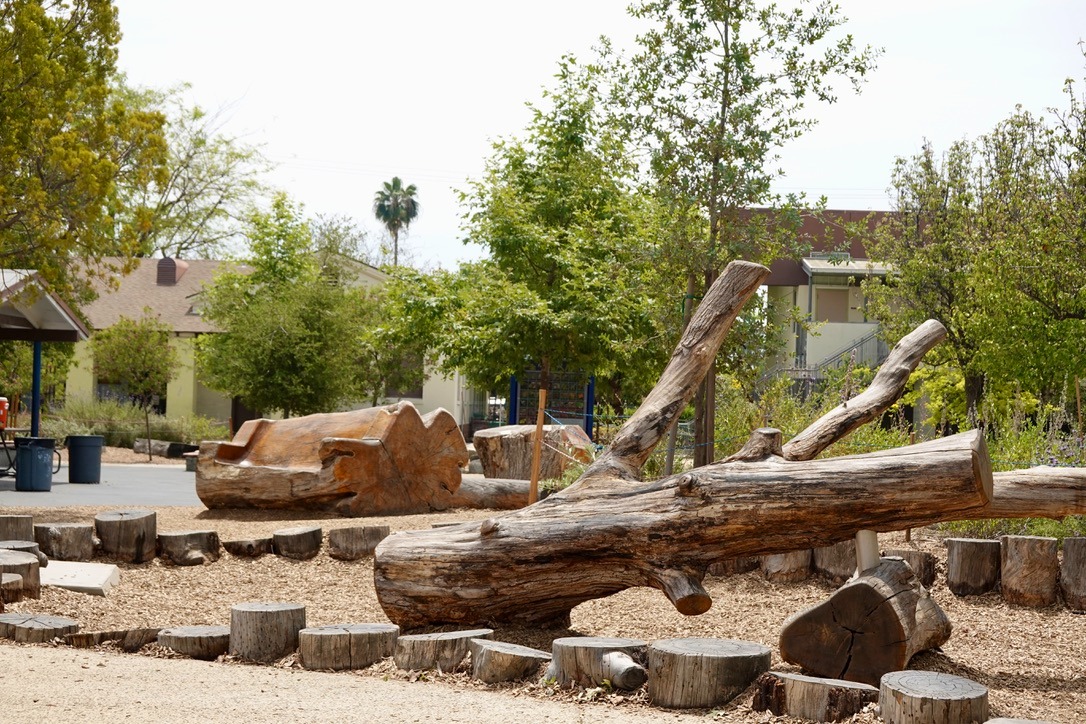
At Mary W. Jackson in Altadena, 21,000 square feet of pavement came out entirely. In its place: outdoor classrooms built from boulders and recycled urban lumber, bioswales, native shrubs, and 36 new trees. The school is now called the Watershed Discovery Campus. Students who once had asphalt now have a place to learn outside.
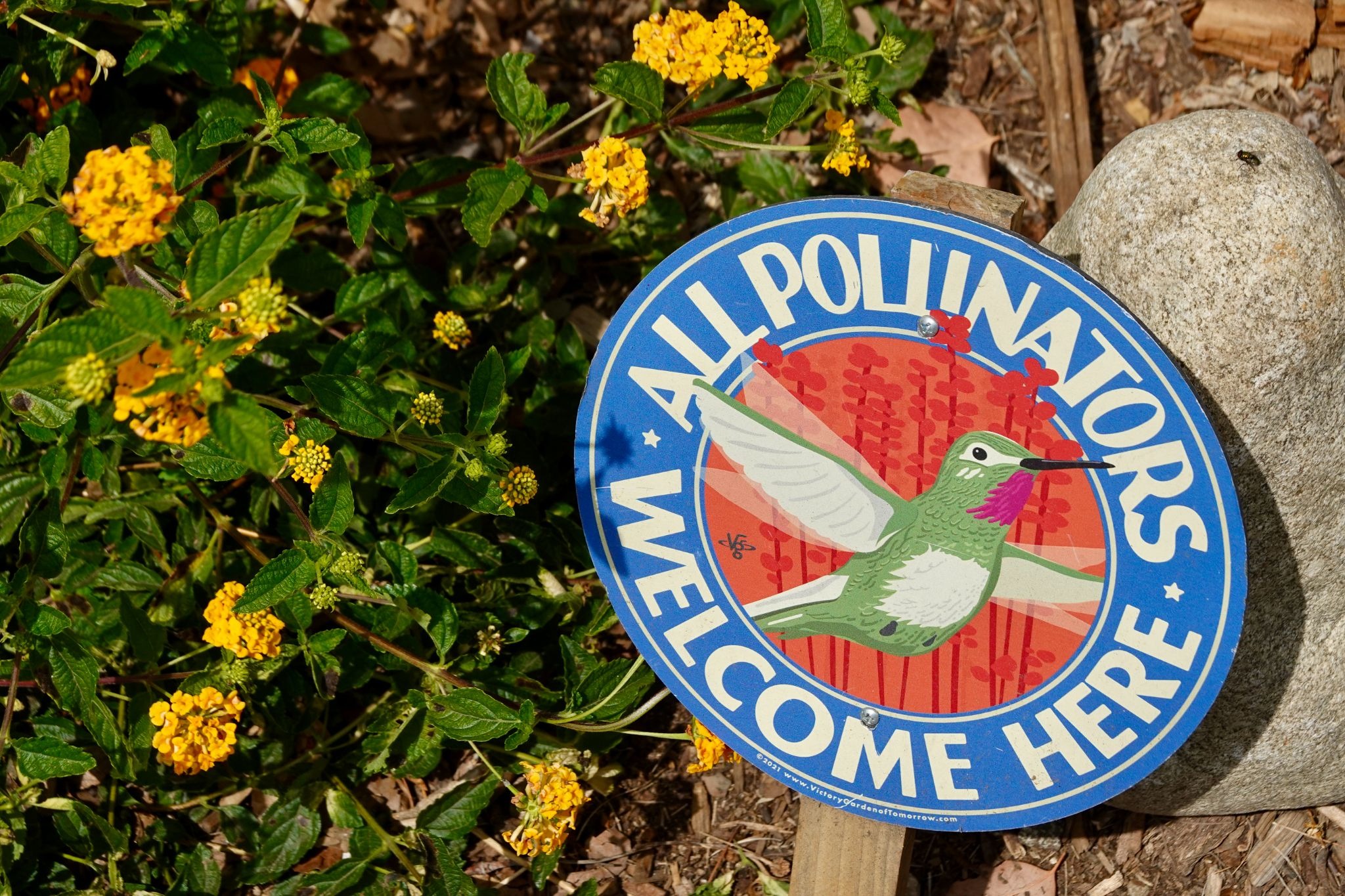
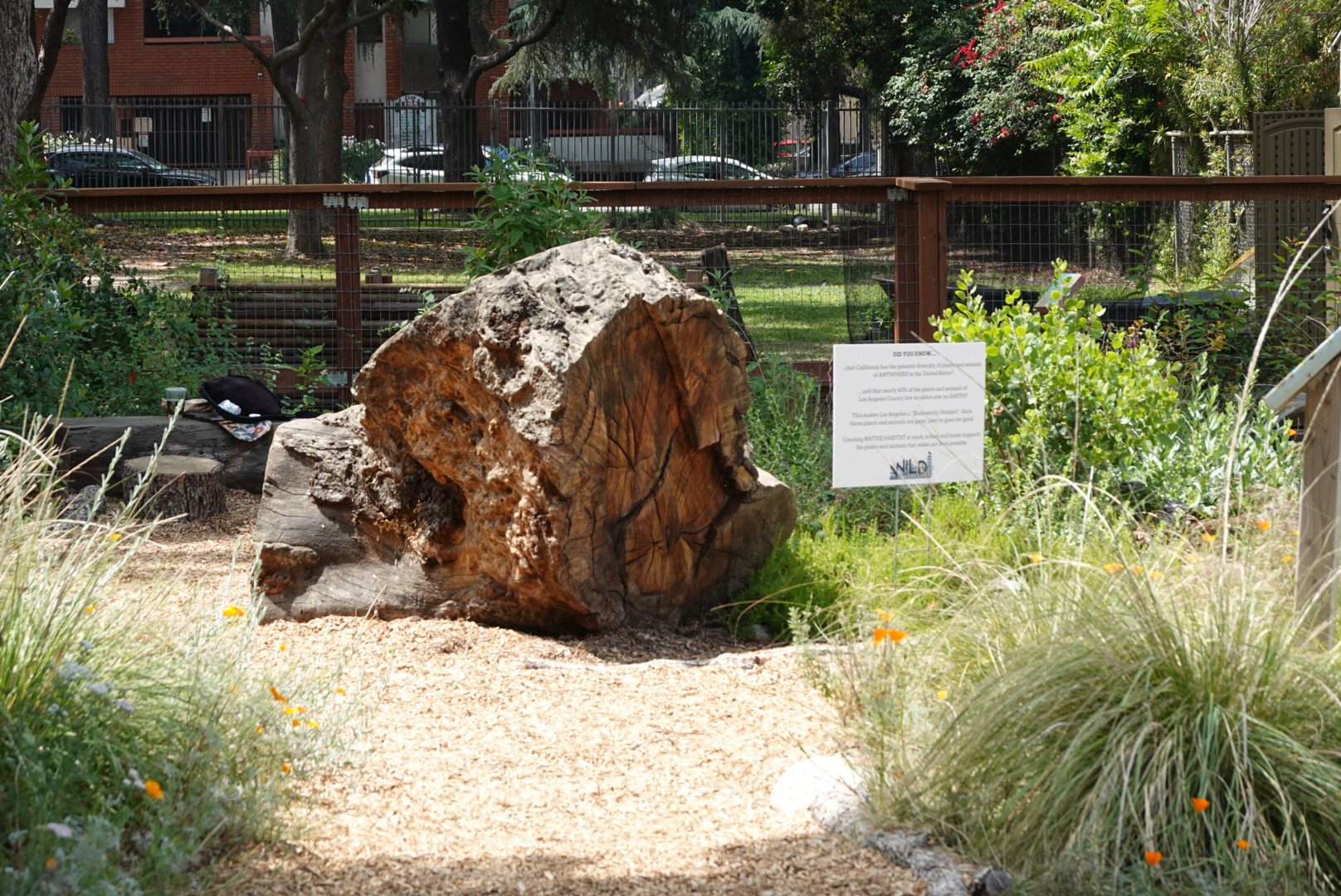
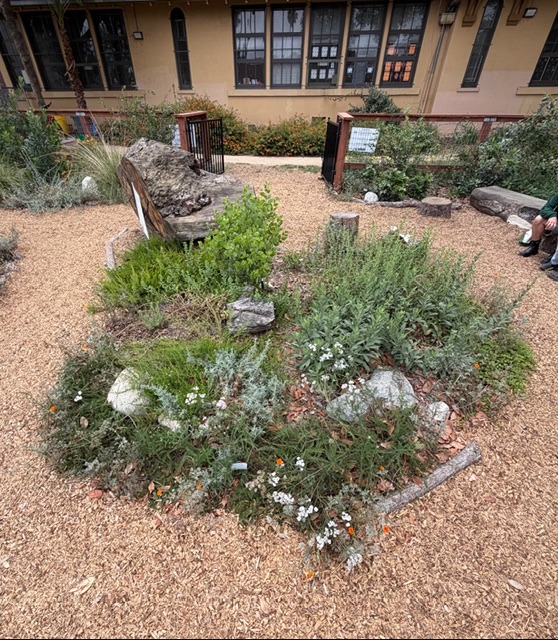
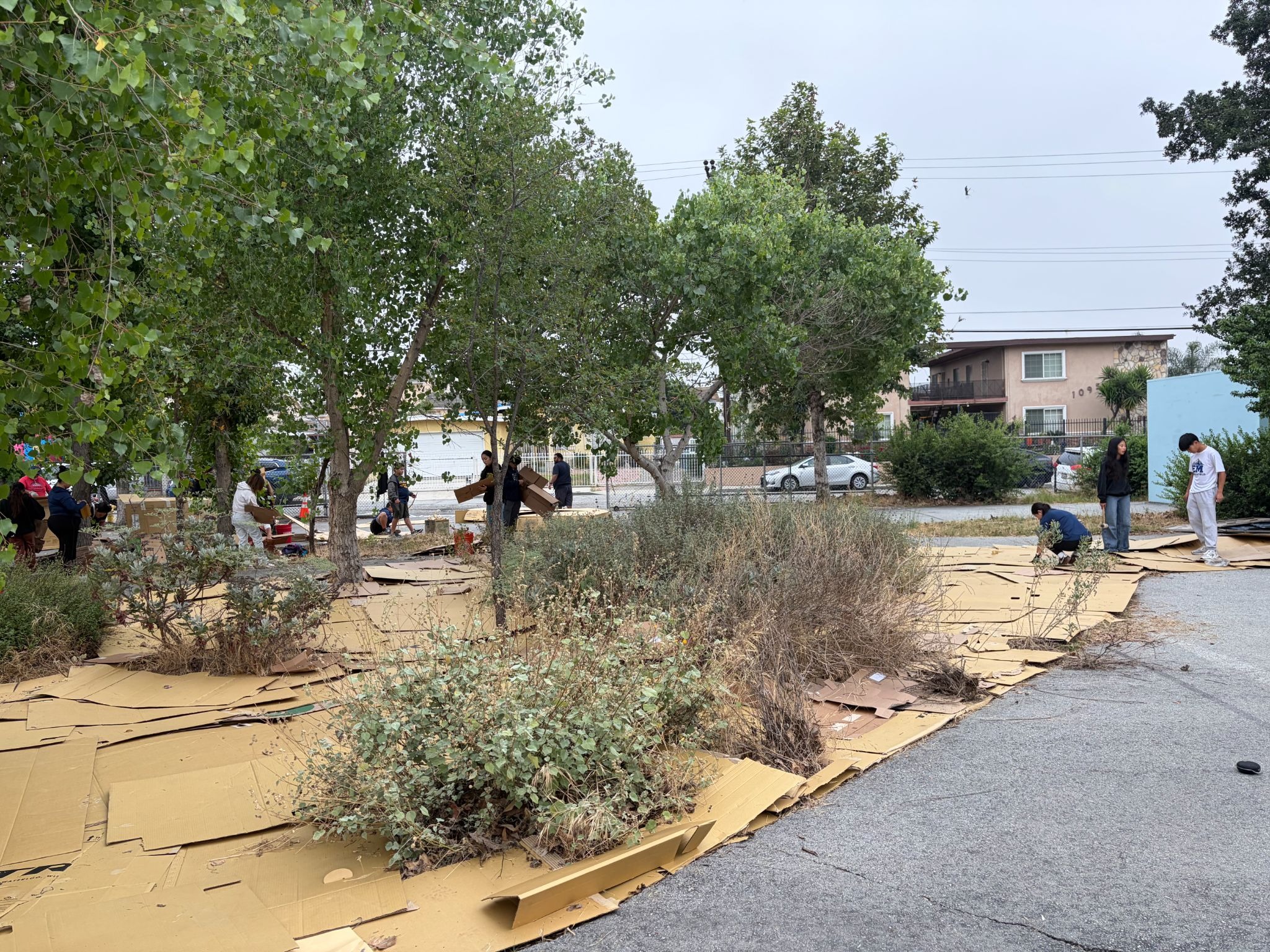
At Eagle Rock Elementary in Los Angeles, a 3,200-square-foot native garden was installed just last December by the Wild Classroom Project in collaboration with parents, guardians, and students. It's already being used as a living classroom for K–6th graders. The kids who helped plant it are now learning from it.

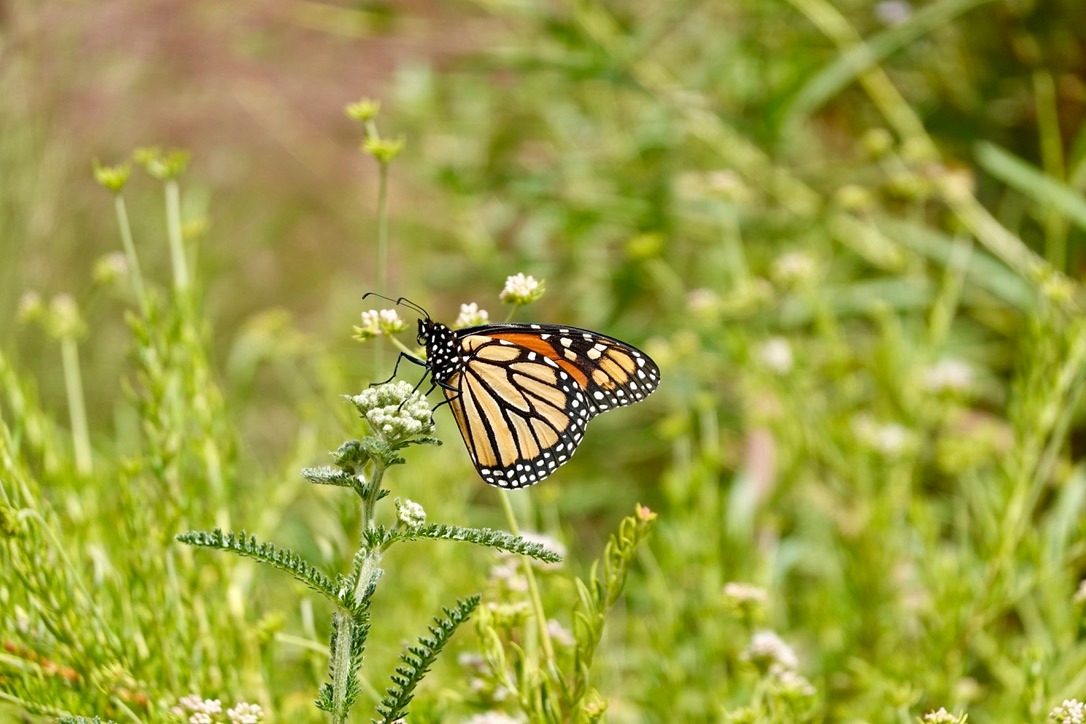
At Garvey Intermediate in Rosemead, a 10,000-square-foot native garden has been evolving since 2015. It's organized around distinct plant communities: chaparral, meadow, and riparian sections, a monarch habitat, and a vernal pool. That vernal pool supports a steady population of fairy shrimp. For students in Rosemead, it may be the closest thing to a natural habitat they encounter regularly.
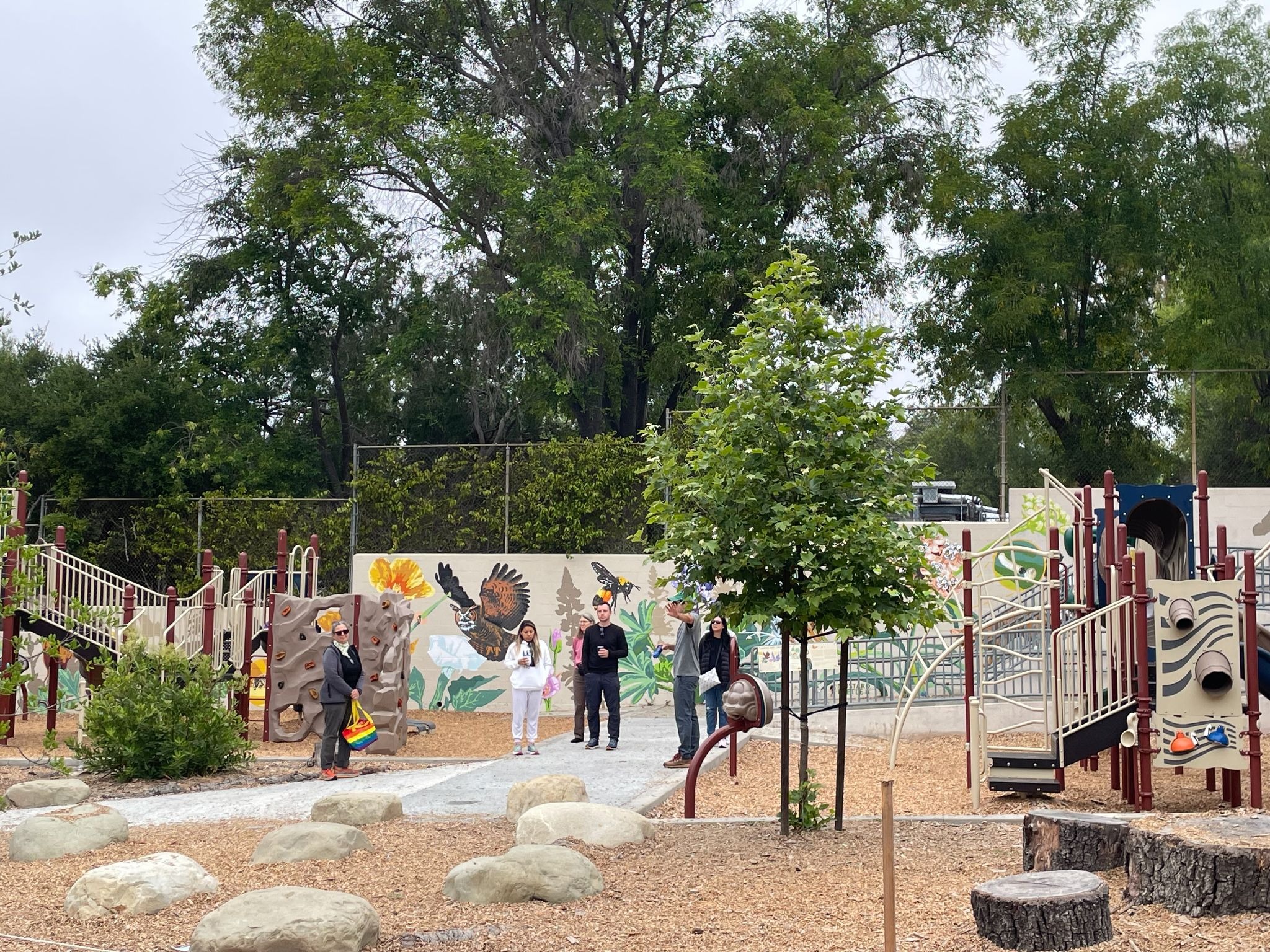
At San Rafael Elementary in Pasadena, the transformation began in 2022 with a small grant and some parent volunteers. Today, it's one of the greenest campuses in the district, with the second-highest tree canopy coverage in student zones throughout Pasadena Unified – 16% of student zones. Kids there now have shade, native plants, and outdoor spaces that are actually usable on a hot day.

A mural by artist Elizabeth Jean of Mustard Beetle, featuring native plants and animals, adorns the wall next to the playground. But the campus is at a crossroads. Pasadena Unified School District recently voted to fully demolish and rebuild the San Rafael campus, and the question of what happens to years of greening work is one that the district, volunteers, and advocates are still working through.

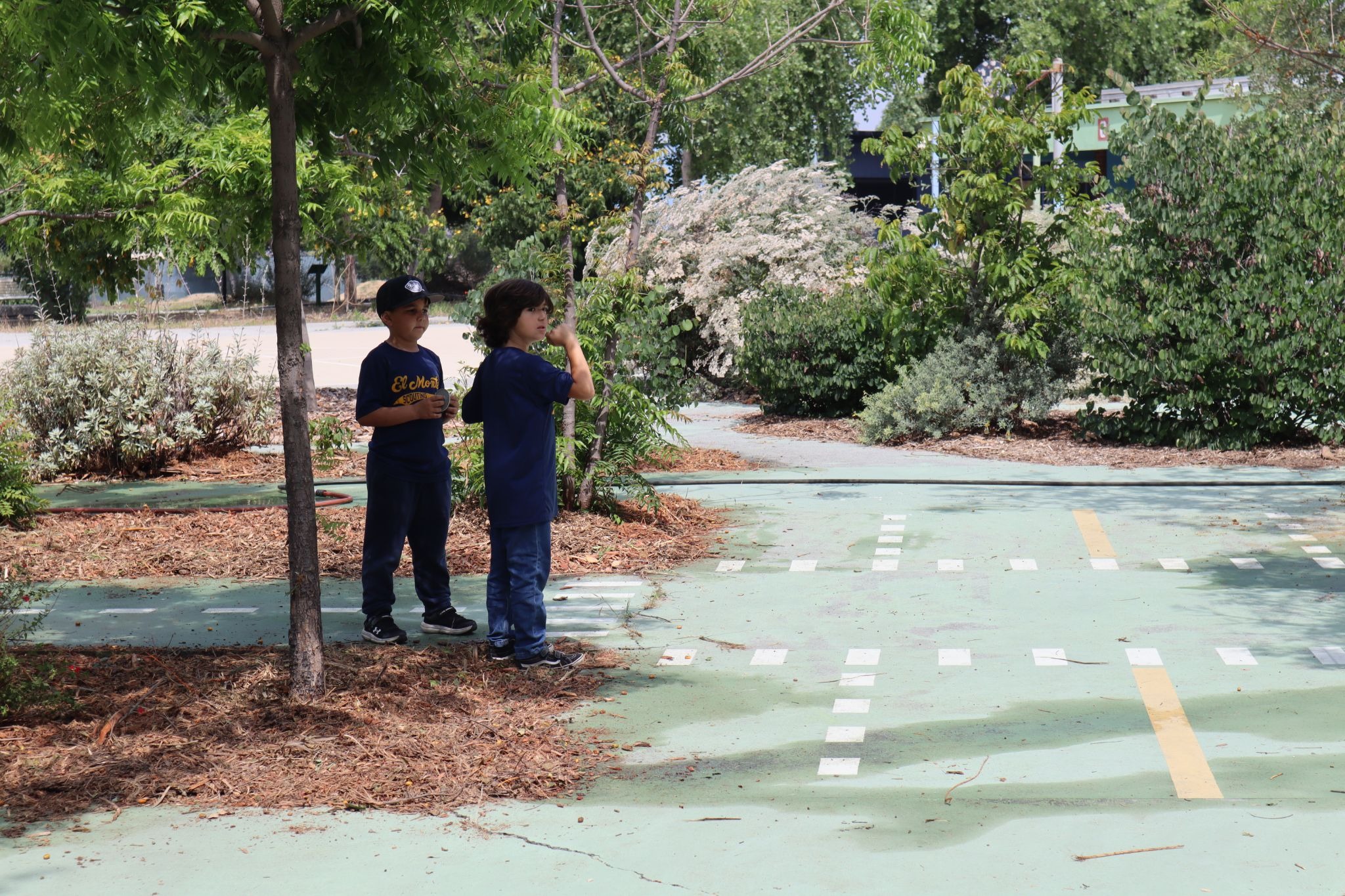
At the Jeff Seymour Family Center in El Monte, rain gardens, bioswales, native plantings, and an expanded tree canopy give kids shaded, living outdoor space to move through and spend time in. Designed by Amigos de los Ríos and installed in 2016, the El Monte City School District site also features the region's first traffic garden and a community bike park with pump tracks, open to the public after school hours and on weekends, thanks in part to a joint use agreement with the City of El Monte.
Why Schoolyards Matter Here
Schools are some of the most consistently used public spaces in any neighborhood. That matters more in some places than others. Many communities in the SGV have limited access to parks and green spaces. For families without a car, the school down the street may be the closest thing to a park they can reach. When that school is all asphalt, the block loses something real. When it has trees, native plants, and permeable ground, the benefits spread. Streets stay cooler. Rain gets absorbed. There's somewhere to sit in the shade.
The projects on this tour took years to reach their current state. Some started with a mini grant and a handful of parent volunteers. Others grew through partnerships between schools, nonprofits, and community members who kept showing up. What they share is that the work compounds. A tree planted five years ago is providing shade today. A garden installed last December is already a classroom.
What's Next
Green schoolyards are still the exception in Southern California. Few districts have even one campus where trees shade at least 30% of student zones, which is considered a best practice by greening advocates. Widescale change will require buy-in from elected school board members, district facilities staff, and parents alike.
But there are real signs of momentum. Community support is strong, and interest among school leaders and elected officials is growing. More local organizations are working on the issue than ever before. The tipping point may come when districts start using their own discretionary facilities and capital funding for cooling projects rather than relying entirely on competitive grants.
The Green Schools Tour exists to make this work visible and to help the people doing it across the region find each other, share what they've learned, and build on it.
This is the first year of the tour, and the plan is to make it annual. If you live in the SGV and want to see what a green schoolyard looks like up close, we hope you follow along. There's a lot more asphalt left to replace.
Learn more at GreenSGVTour.com