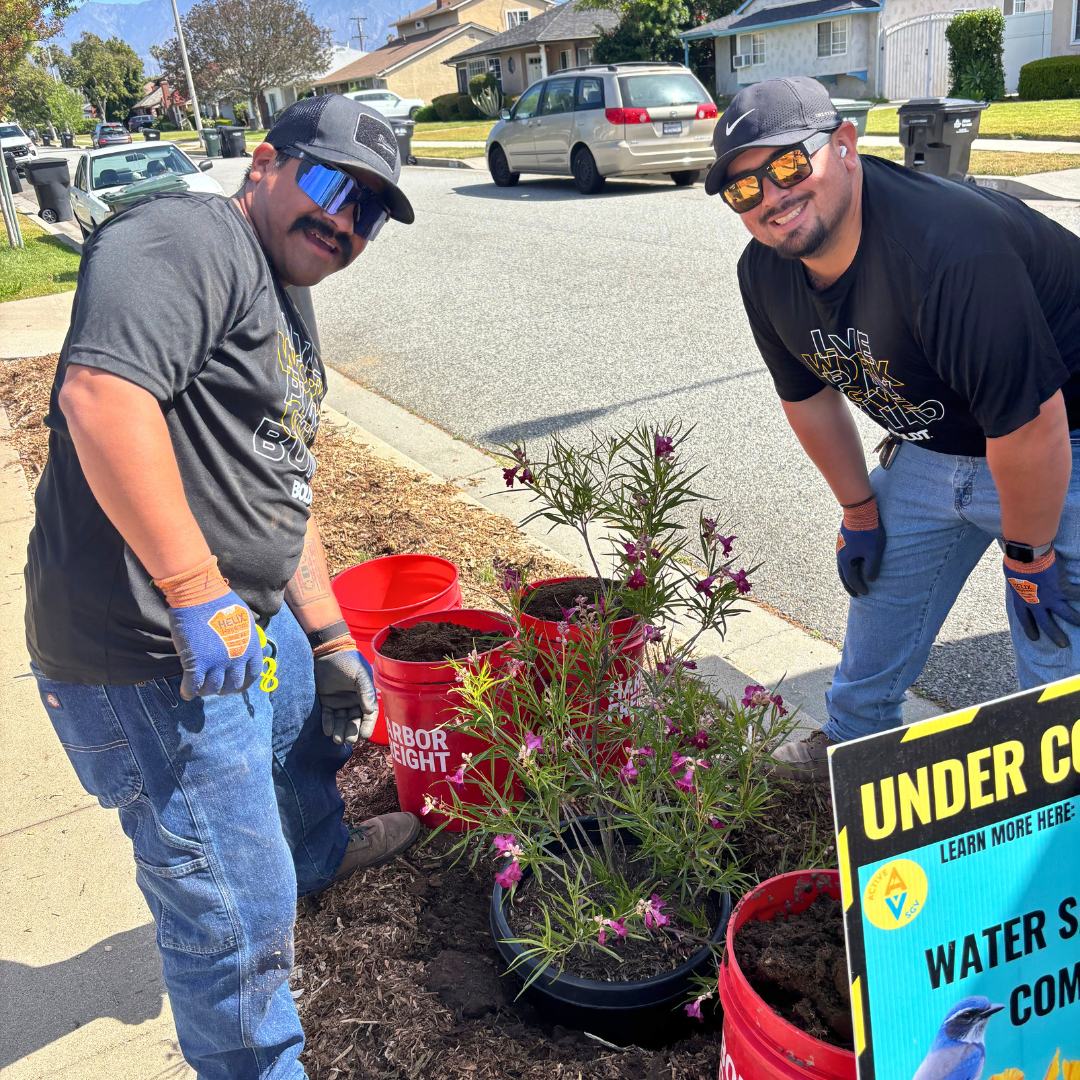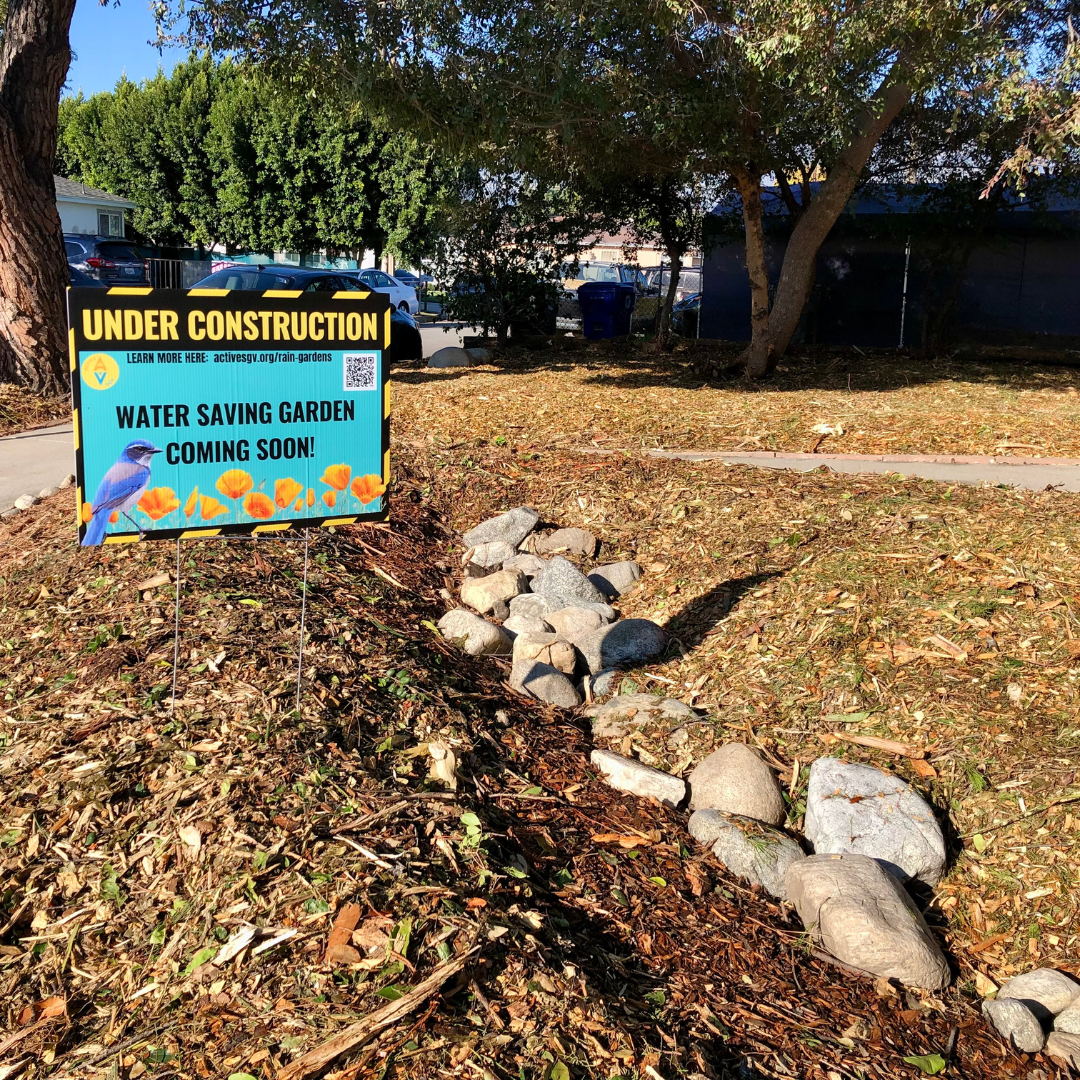
Over the past year, ActiveSGV's Rain Garden team has had the opportunity to work alongside homeowners, volunteers, students, and community partners to transform front yards into vibrant spaces that capture rainwater, support wildlife, and showcase sustainable landscaping in the San Gabriel Valley.
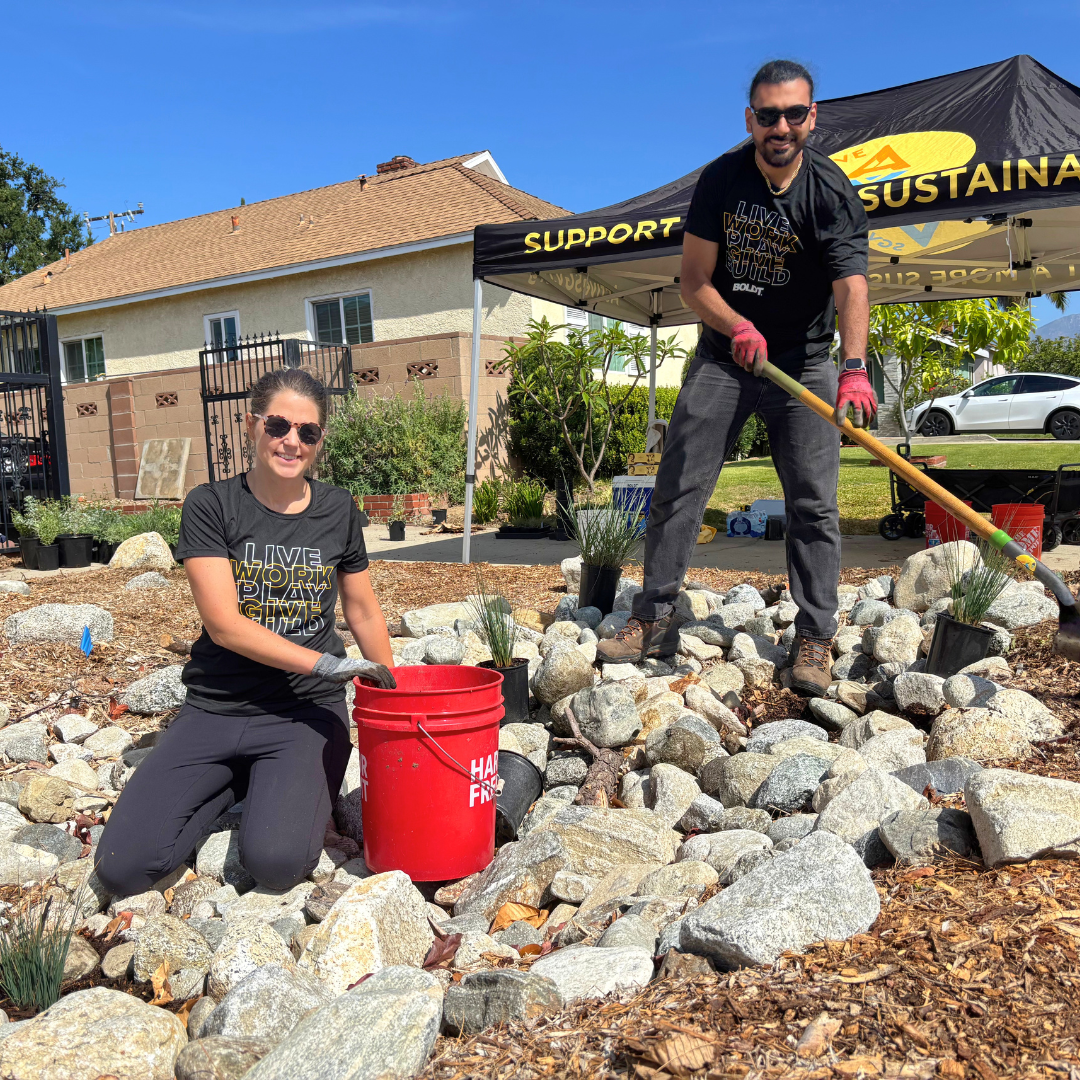
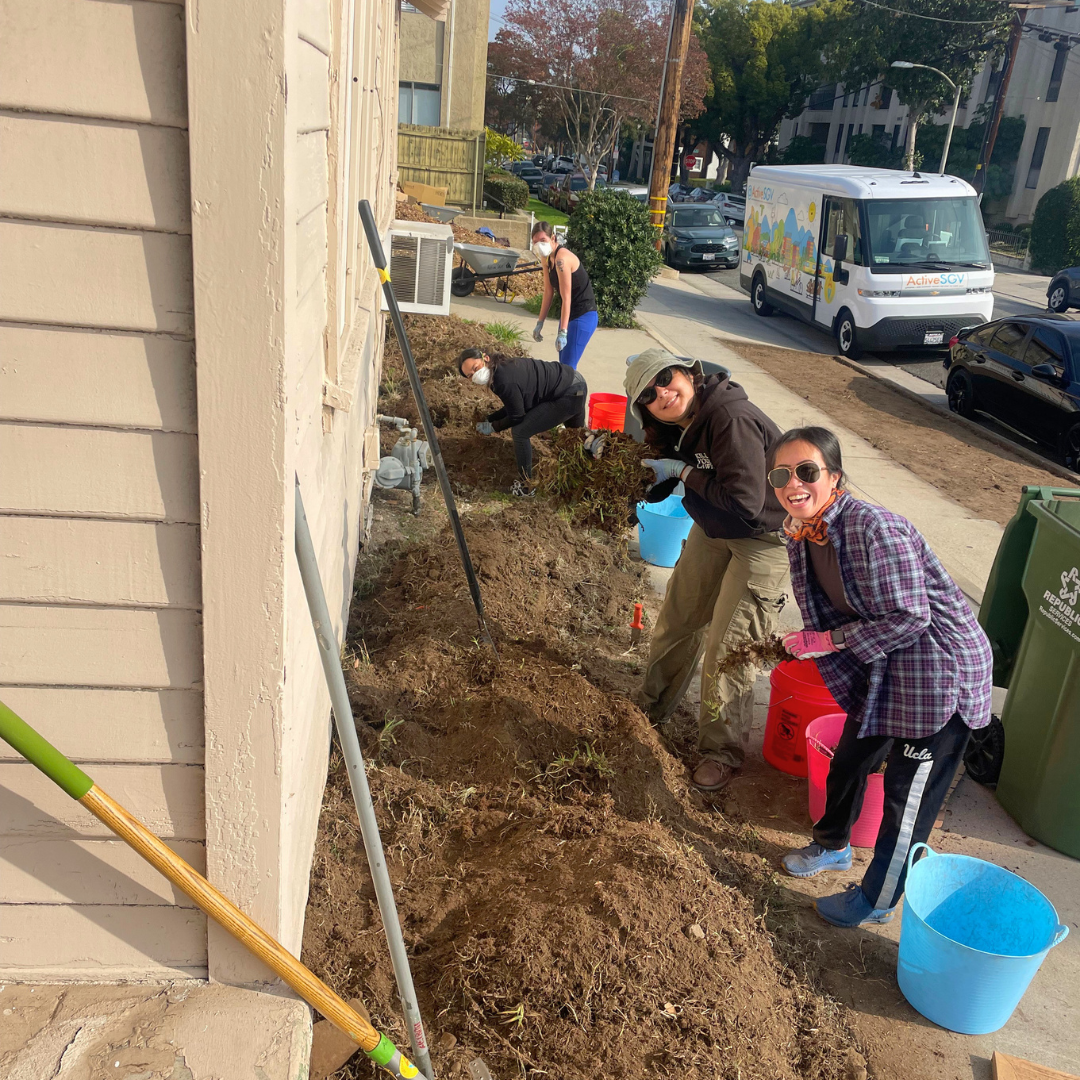
Every installation day brought something new. Some volunteers arrived with years of gardening experience, while others had never dug a hole before. Neighbors stopped by to ask questions, homeowners shared meals with volunteers, and community members of all ages worked side by side to create landscapes that will continue to grow and evolve for years to come.
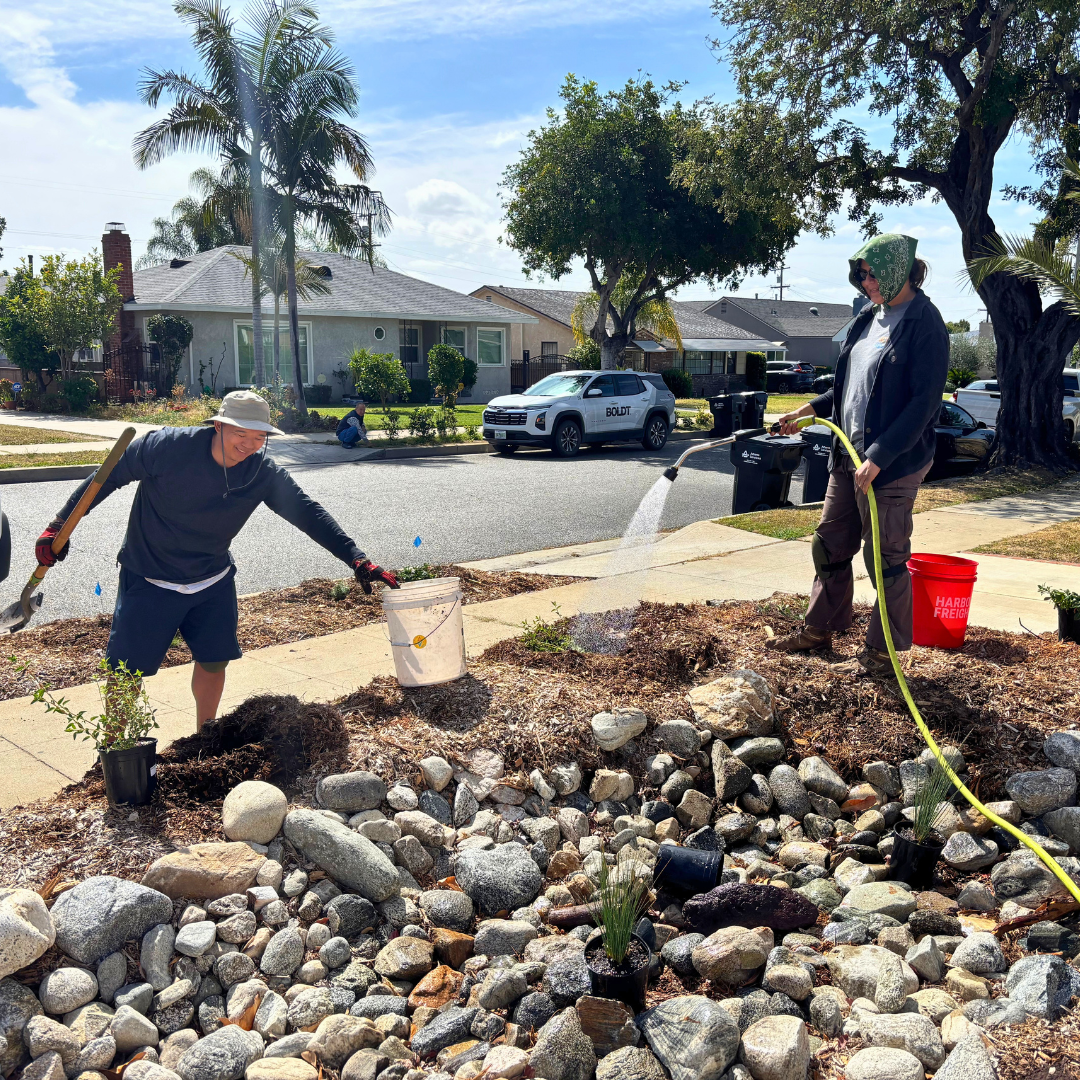
Together, this community accomplished something remarkable. Over the course of the project, we transformed seven residential front yards into rain gardens designed to capture and slow stormwater runoff.
• 256 volunteers participated across 34 installation days
• Spread 140 cubic yards of mulch
• Planted 624 California native plants
• Installed 25,000 pounds of locally sourced granite stone
• Created gardens designed to capture approximately 36,000 gallons of rainwater annually
• Help reduce stormwater runoff and support groundwater recharge by keeping rainwater in the ground where it belongs
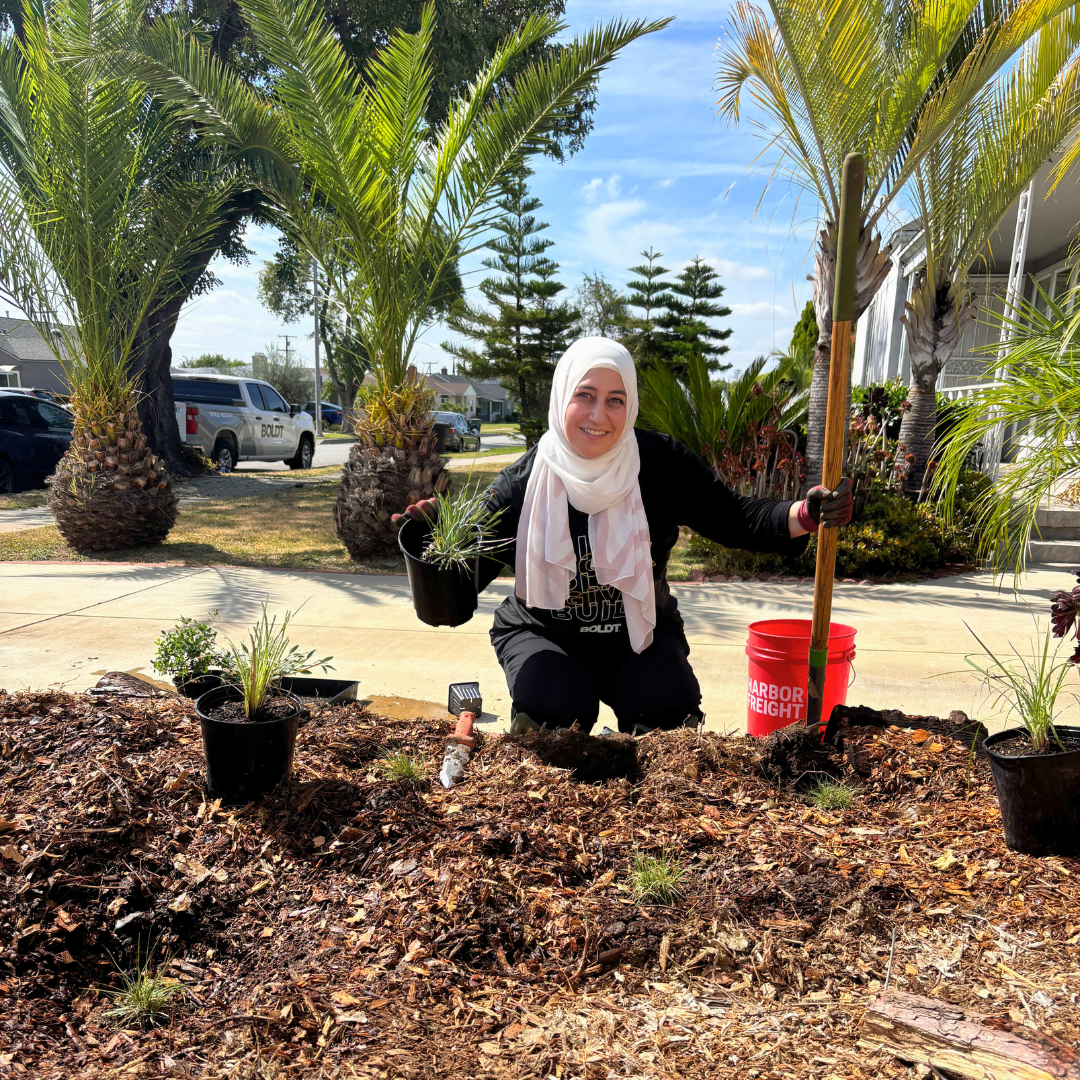
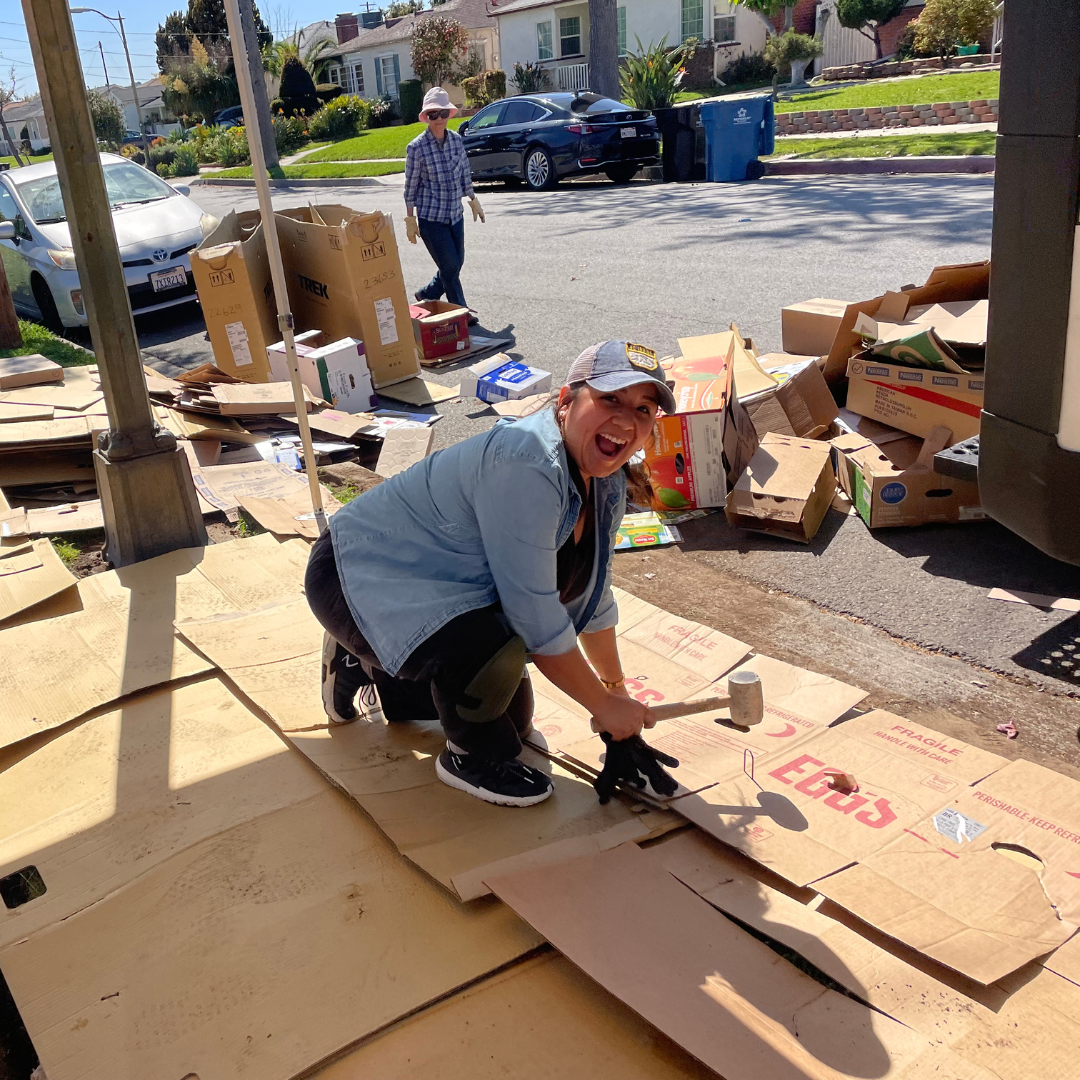
While these numbers are exciting, one of the most meaningful outcomes was the knowledge shared throughout the process. Over 250 volunteers learned how simple, nature-based techniques can transform traditional lawns into biodiverse, water-wise gardens. One of the most popular lessons was sheet mulching, a lawn removal method that uses layers of cardboard and mulch to suppress grass while improving soil health.
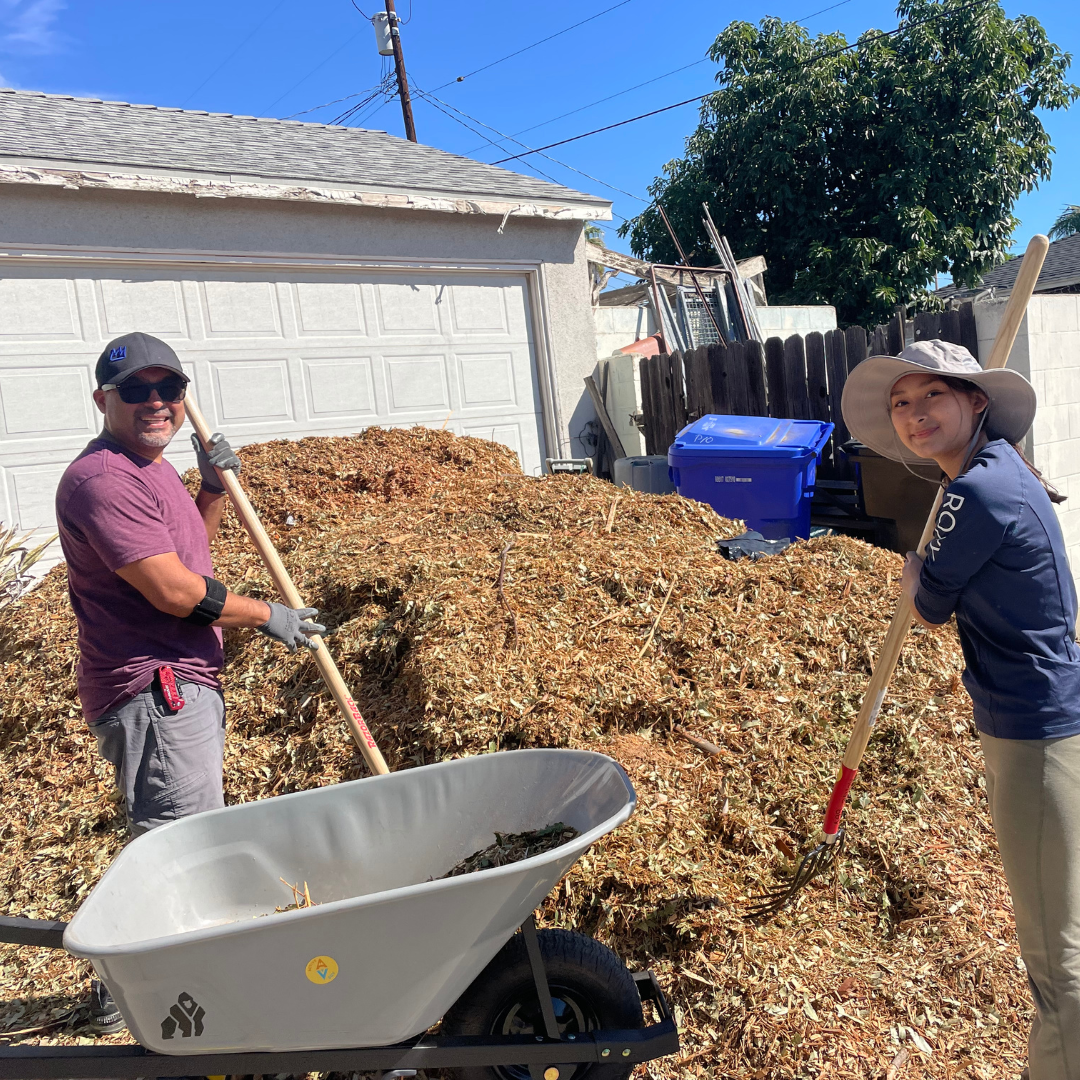
Unlike chemical treatments or physical removal, sheet mulching works with nature rather than against it. The cardboard and mulch gradually break down into organic matter, feeding the soil while reusing materials that might otherwise be discarded. Participants were often surprised to learn that one of the easiest ways to remove a lawn is also one of the most beneficial for the ecosystem beneath it.
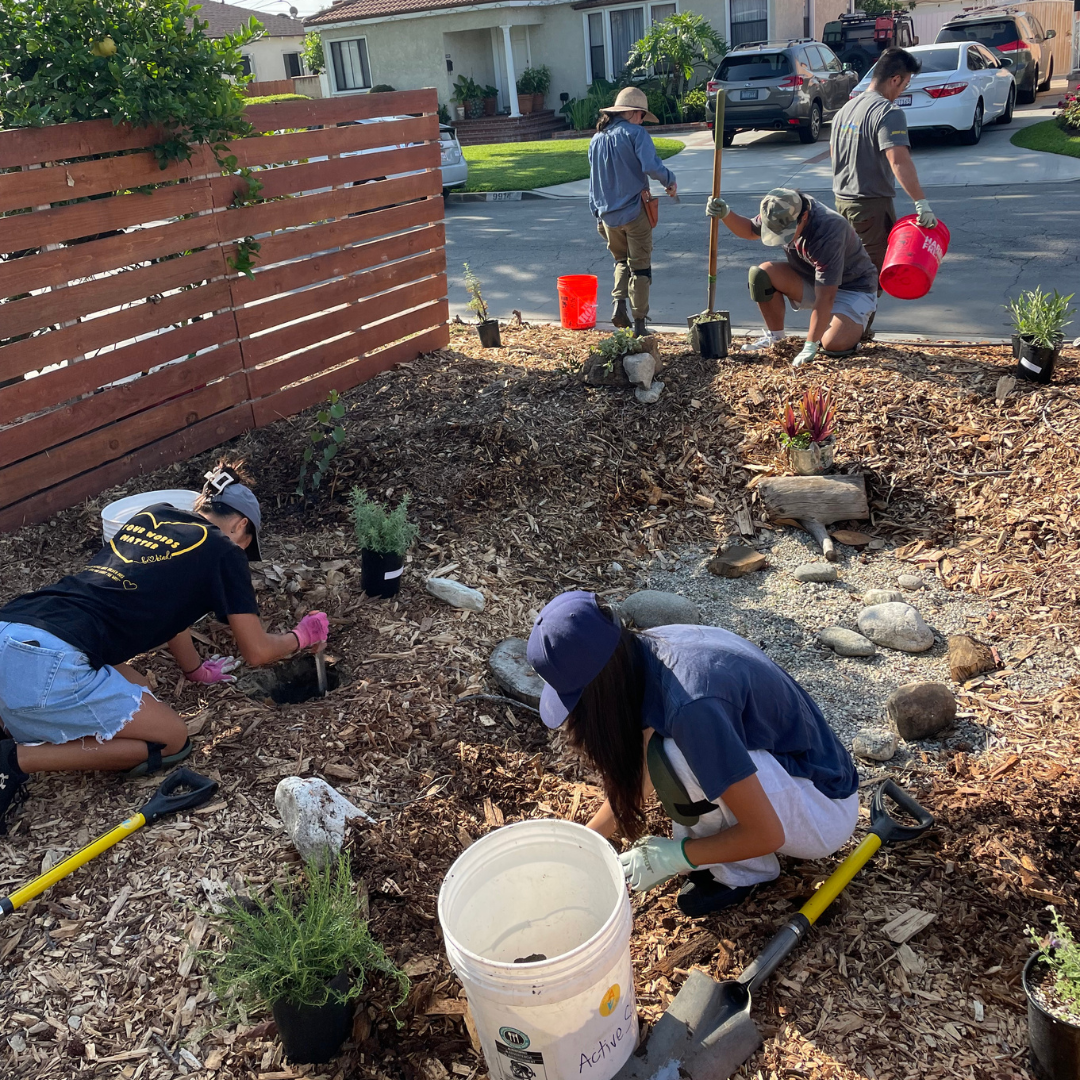
Volunteers also learned why native plants play such an important role in healthy ecosystems. California native plants have evolved alongside local birds, insects, and wildlife over thousands of years. These relationships create the interconnected web of life that supports biodiversity. The more native plants we incorporate into our neighborhoods, the more habitat we create for pollinators and other wildlife. In turn, these more diverse ecosystems become more resilient to environmental changes, disease outbreaks, and climate disruptions.
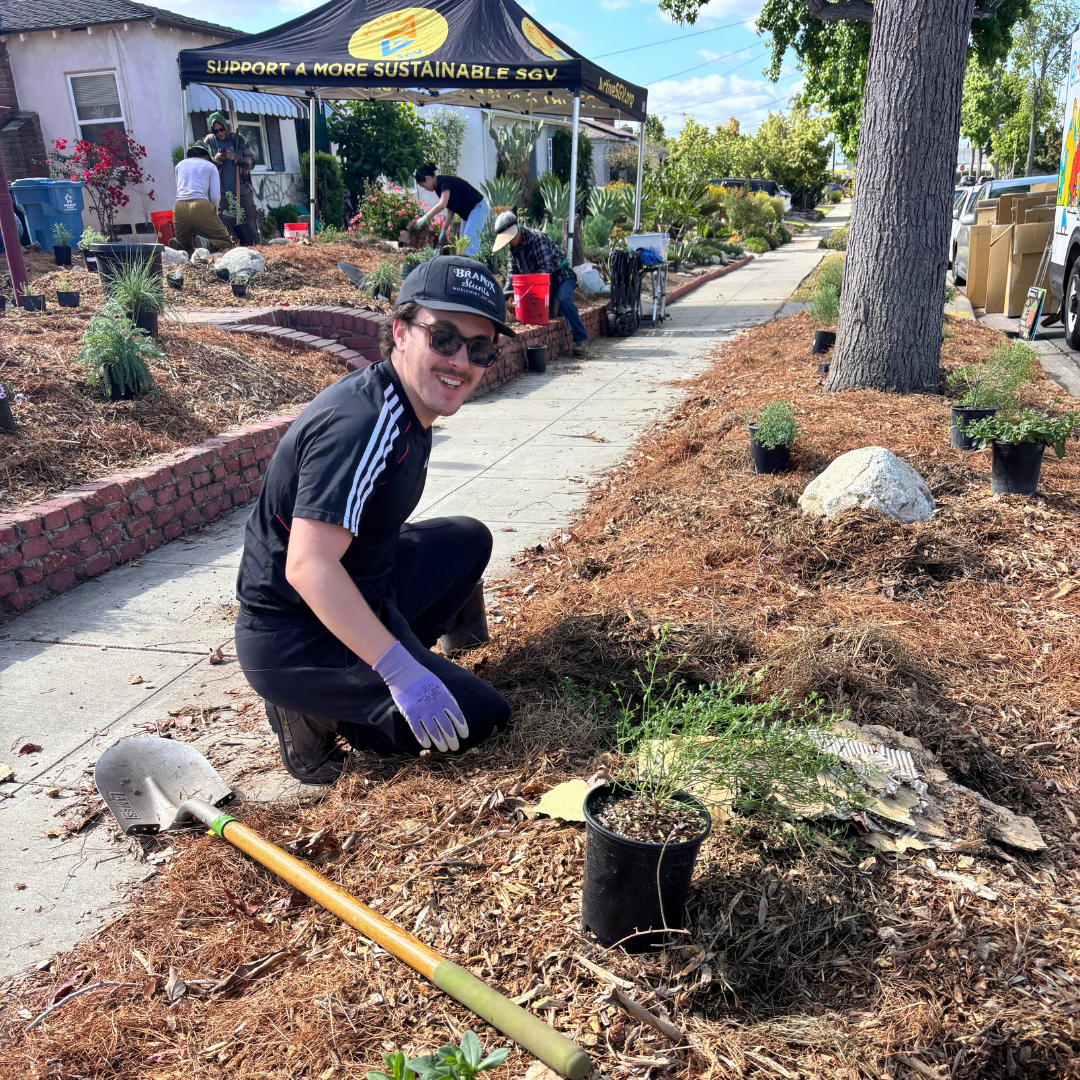
The Rain Garden team learned a great deal as well. After the loss of an original EPA grant that would have funded 60 gardens over three years, the program's future became uncertain. Thanks to support from the Liberty Hill Foundation, Rose Foundation, and Southern California Edison, the project continued as a pilot program. Working within a limited budget required creativity, adaptability, and a commitment to making every resource count. The experience reinforced how much can be accomplished when dedicated community members come together around a shared goal.
As rewarding as the installations were, the most exciting part is still ahead. The gardens are only beginning their journey. Trees will continue growing, roots will spread deeper into the soil, and wildlife will discover new sources of food and shelter. Over time, these landscapes will become cooler, greener, and more resilient spaces that benefit both people and nature.
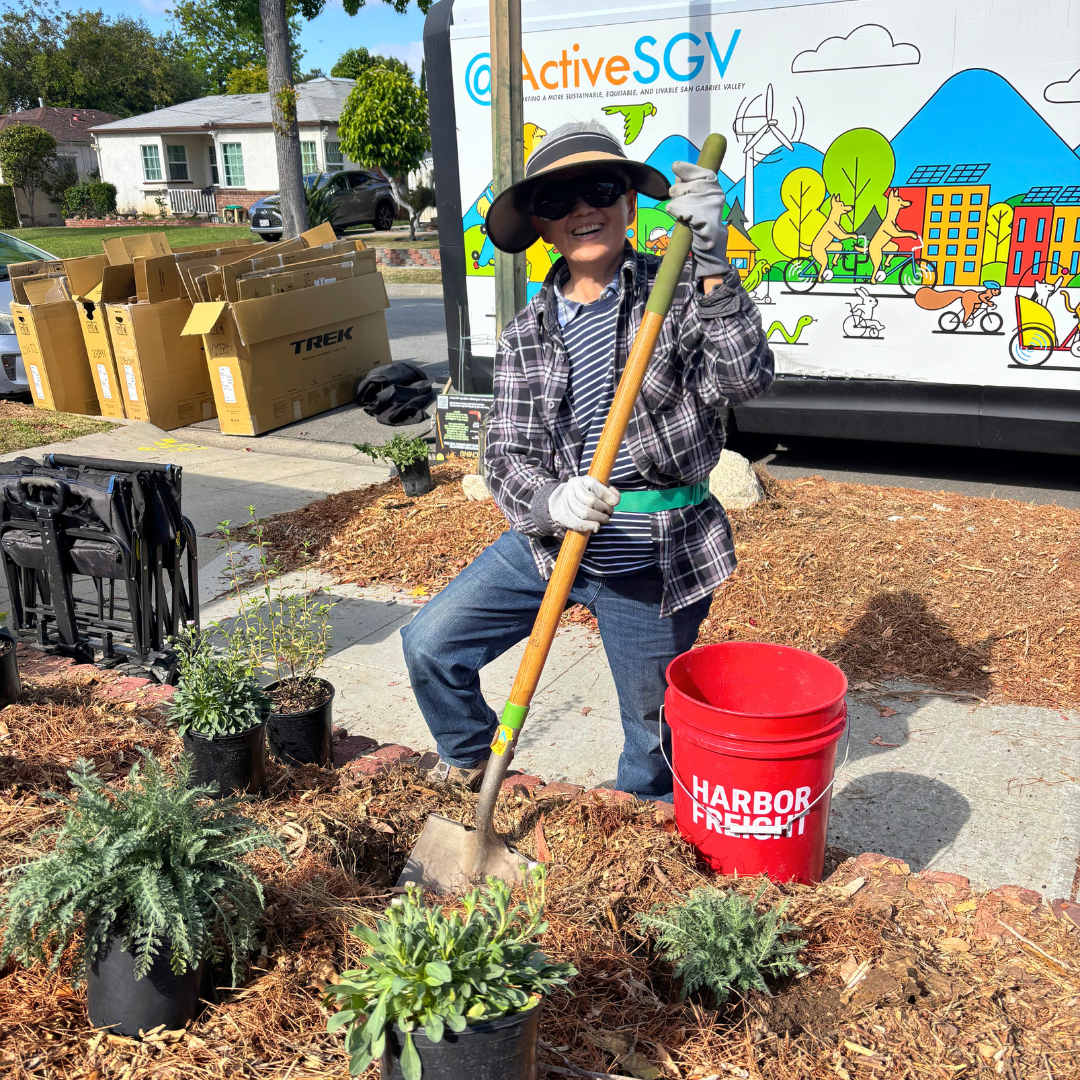
Thank you to every volunteer, homeowner, funder, and community member who helped make the Rain Gardens program possible. We look forward to continuing this work and helping more residents discover the power of rain gardens and native landscapes in the years ahead.
Check out ActiveSGV.org/rain-gardens to learn more about upcoming rain garden events!